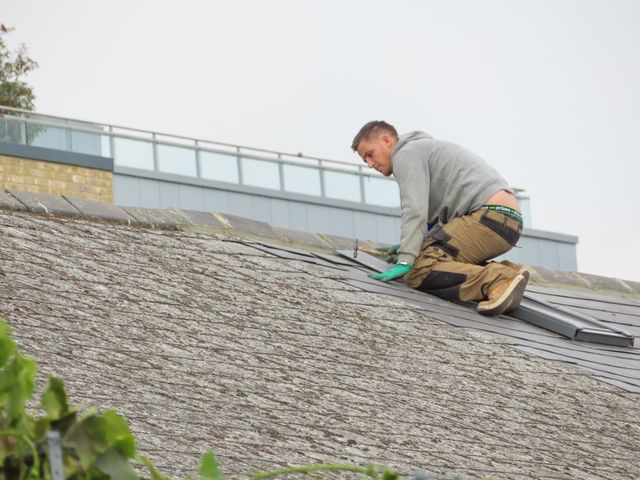
For decades, home maintenance has followed a familiar pattern. A homeowner notices a problem, searches for a contractor, requests an inspection, schedules repairs, and hopes the issue has not become more expensive while waiting. Roofs leak after storms. Gutters clog during the fall. Minor flashing damage goes unnoticed until water reaches the attic. Preventive maintenance often gives way to reactive repairs because homeowners simply have too many things competing for their attention.
This reactive approach is costly for everyone involved. Small maintenance issues become larger repair projects. Contractors experience unpredictable demand after major weather events. Homeowners face unexpected expenses that could have been avoided with earlier intervention.
Agentic commerce points toward a different future. Rather than waiting for visible problems, intelligent software agents could coordinate inspections, monitor maintenance schedules, track weather conditions, recommend preventive services, and even arrange routine appointments within preferences established by homeowners.
The goal is not to create houses that repair themselves. It is to build systems that help homes receive the right maintenance at the right time, reducing emergencies while making homeownership less stressful.
Roof and Gutter Maintenance Is Easy to Forget
Unlike a kitchen or living room, the roof is not something homeowners see every day.
Gutters receive even less attention.
As long as everything appears normal from the ground, maintenance often falls to the bottom of the priority list. Many homeowners do not realize there is a problem until water begins overflowing during heavy rain, shingles blow away after a storm, or stains appear inside the house.
The challenge is not usually a lack of concern.
It is that roof and gutter systems quietly perform their job for years without demanding attention. Maintenance reminders are easy to overlook, especially when there are no obvious warning signs.
Agentic systems could change that by treating home maintenance as an ongoing process instead of an occasional reaction.
Rather than relying on homeowners to remember seasonal inspections, software agents could maintain personalized maintenance schedules based on roof age, local weather patterns, surrounding trees, previous service history, and manufacturer recommendations.
Weather Data Creates Smarter Maintenance Planning
Weather has a direct impact on roofing systems.
Heavy rain, hail, high winds, freezing temperatures, prolonged heat, and falling debris all affect roof performance over time.
Most homeowners respond after severe weather has already caused visible damage.
Agentic commerce allows maintenance planning to become more predictive.
If a neighborhood experiences unusually strong winds, the system could recommend roof inspections for homes with older shingles.
Following periods of heavy leaf fall, gutter cleaning reminders could be prioritized before forecasted storms increase the risk of overflow.
If prolonged freezing weather raises the likelihood of ice dams, homeowners could receive recommendations before damage develops.
Instead of responding only after problems become visible, maintenance schedules adapt continuously based on changing environmental conditions.
Routine Inspections Become Easier to Coordinate
One reason preventive maintenance is often delayed is scheduling.
Finding a contractor, requesting estimates, comparing availability, and selecting appointment times all require effort.
Agentic systems could simplify much of this routine coordination.
Once homeowners establish preferences, such as approved service providers, budget limits, preferred appointment windows, or inspection frequency, software agents can handle much of the administrative work.
Routine inspections might be scheduled automatically during recommended maintenance periods.
Appointment reminders, calendar coordination, and service confirmations happen with minimal homeowner involvement.
The homeowner still approves significant repairs, but routine maintenance becomes much easier to manage.
The result is not less control.
It is less administrative work.
Maintenance Records Become More Valuable
Many homeowners have incomplete records of previous roof repairs, gutter cleanings, inspections, or warranty work.
That information becomes important when selling a home, filing insurance claims, or planning future maintenance.
Agentic commerce could organize this information automatically.
Inspection reports, photographs, invoices, warranty documents, repair histories, and contractor recommendations remain connected within a single maintenance record.
Future service decisions become more informed because contractors can review previous work before arriving.
Homeowners also gain greater visibility into the long-term condition of their roofing system.
Instead of relying on memory, maintenance history becomes continuously available.
Smarter Purchasing Supports Preventive Care
Roof and gutter maintenance often involves more than scheduling labor.
Replacement shingles, sealants, flashing materials, gutter guards, fasteners, downspouts, and drainage components all require purchasing decisions.
Agentic commerce can support these decisions by monitoring product availability, supplier lead times, warranty requirements, and maintenance schedules simultaneously.
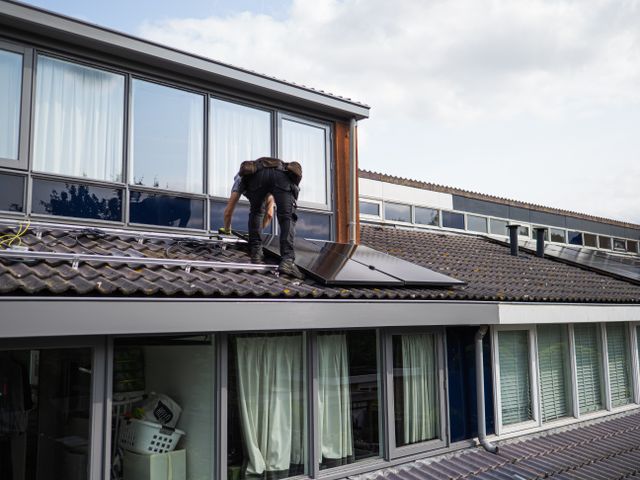
If a routine inspection identifies aging components likely to require replacement within the next season, procurement recommendations can begin before emergency repairs become necessary.
Rather than waiting until storm damage creates urgent demand, homeowners and contractors have more flexibility to compare options, schedule work, and avoid supply shortages during peak seasons.
This approach benefits contractors as well by making inventory planning more predictable.
Communication Becomes Continuous Instead of Reactive
Many homeowner-contractor relationships begin only after something has gone wrong.
A leak appears.
Water overflows from clogged gutters.
A tree branch damages shingles.
Communication starts with an emergency.
Agentic systems encourage ongoing communication instead.
Seasonal maintenance reminders.
Inspection summaries.
Weather-related recommendations.
Warranty expiration notices.
Service confirmations.
Educational guidance for homeowners.
These interactions keep homeowners informed without requiring them to monitor every aspect of their roof themselves.
Contractors also benefit because regular communication builds long-term customer relationships rather than relying entirely on emergency service calls.
Contractors Can Plan Work More Efficiently
Roofing and gutter companies often experience dramatic swings in workload.
Storm seasons generate overwhelming demand, while quieter periods may leave crews underutilized.
Preventive maintenance creates opportunities for more balanced scheduling.
Agentic commerce can help distribute inspections, cleanings, and minor repairs throughout the year based on weather forecasts, customer preferences, and crew availability.
Instead of receiving hundreds of service requests immediately after a major storm, contractors maintain a steadier pipeline of planned maintenance alongside emergency response work.
This improves workforce planning, inventory management, and customer service while reducing pressure during peak demand periods.
Human Expertise Still Makes the Critical Decisions
Despite advances in intelligent automation, roofing remains a skilled trade.
No software agent can safely climb onto a roof, evaluate structural damage firsthand, or determine the best repair method for a complex leak.
Experienced roofing professionals recognize signs of deterioration that sensors and maintenance schedules cannot fully capture.
They understand local building codes, installation techniques, ventilation requirements, drainage design, and long-term repair strategies.
Agentic commerce supports these professionals rather than replacing them.
Routine scheduling, maintenance tracking, document management, customer communication, and procurement coordination become more efficient, allowing contractors to spend more time on inspections, craftsmanship, and customer education.
Technology handles repetitive coordination while experienced professionals continue making the decisions that require practical expertise.
The Future Home Maintains Itself Through Better Coordination
The idea of a self-maintaining home does not mean robots automatically repairing roofs or replacing gutters without human involvement.
Instead, it describes a home where intelligent systems help coordinate the many tasks that homeowners often overlook.
Weather monitoring, maintenance scheduling, service reminders, contractor coordination, inspection records, procurement planning, and homeowner communication all become connected into a continuously managed system.
The greatest benefit is not automation for its own sake.
It is reducing the likelihood that small maintenance issues quietly develop into major repairs.
For homeowners, that means fewer surprises, better protection for one of their largest investments, and greater confidence that essential maintenance is not being forgotten.
For roofing and gutter professionals, it creates opportunities to build longer-term relationships centered on preventive care rather than relying exclusively on emergency repairs. As agentic commerce continues to evolve, the companies that embrace this model are likely to become trusted maintenance partners, helping customers protect their homes through smarter planning instead of simply responding after problems appear.
In the years ahead, the most successful roofing businesses may not be those that repair the most storm damage. They may be the ones that help homeowners avoid needing those repairs in the first place through better coordination, timely maintenance, and the thoughtful use of intelligent technology.
Leave a Reply