
Personalization has become a familiar part of beauty retail. Shoppers encounter recommendations based on previous purchases, browsing activity, stated preferences, and other signals. These systems can make large selections easier to navigate, but the customer still performs most of the work. They compare options, decide what to purchase, monitor when something needs replacing, and complete each transaction themselves.
Agentic commerce could change that relationship. Instead of technology simply recommending what a shopper might want, AI agents could potentially complete multiple shopping tasks toward goals defined by the customer. With appropriate permission, an agent might research options, compare them against preferences and budgets, monitor availability, prepare purchases, and handle certain repeat-shopping tasks.
For a premium beauty care store, this shift could have important consequences. Stores may increasingly serve not only people browsing directly but also AI agents acting on behalf of those shoppers. That could change product discovery, replenishment, customer service, loyalty, and even what makes a premium retail experience valuable.
Personalization Suggests, While Agents Can Take Action
Traditional personalization is largely designed around recommendations. A retailer identifies products that appear relevant and presents them to the shopper. The customer then decides what to do.
Agentic commerce adds another layer: action. A shopper could give an AI agent a goal and allow it to complete certain steps required to achieve that goal.
For example, someone might establish a monthly beauty budget and instruct an agent to help maintain a regular set of preferred items. The system could monitor what may need replenishing, check availability, identify relevant alternatives when something is unavailable, and bring the purchase to the customer for approval.
How much authority the agent receives would depend on the user. Some people may want assistance only with research, while others could permit routine repeat purchases within clearly defined limits.
Beauty Discovery Could Start With a Customer Goal
Beauty stores have traditionally organized shopping around product categories. Customers browse skincare, hair care, cosmetics, body care, and other sections before narrowing their choices.
AI agents could make discovery more goal-oriented. Instead of beginning with a category page, a shopper might explain what they are trying to accomplish, what they already use, what they want to avoid, and how much they are willing to spend.
The agent could then research suitable options and organize them around those instructions. This could reduce the amount of time customers spend navigating large selections.
However, beauty recommendations require care. Individual responses can vary, and cosmetic preferences are highly personal. AI-generated suggestions should not be treated as medical diagnoses or guarantees of a particular result.
Premium stores can remain valuable by providing accurate information and making human assistance readily available when customers want more individualized guidance.
AI Agents Could Become a New Type of Store Visitor
Most online stores are designed around a person opening a website, browsing pages, and clicking through products. Agentic commerce introduces the possibility that an AI system may conduct some of that research for the shopper.
A customer could ask an agent to compare several stores according to criteria such as availability, price, delivery timing, preferred attributes, or previous purchasing preferences. The agent might evaluate available information before recommending where the purchase should take place.
This creates a new challenge for retailers. Attractive branding remains important to people, but AI agents also need clear and reliable information they can interpret.
Accurate descriptions, availability information, pricing, purchasing conditions, and other structured details could therefore become increasingly important. A premium retailer must be understandable to machines without making the shopping experience feel mechanical to people.
Replenishment Could Become Much Less Manual
Repeat purchasing is one of the clearest areas where agentic commerce could affect beauty retail. Many customers regularly replace the same types of products.
Currently, the shopper generally has to remember that an item is running low, find it again, check whether it is available, and place another order. Retailers can send reminders, but the customer still performs the transaction.
An authorized agent could potentially manage more of that process. It could use previous purchasing information and customer-defined preferences to prepare or complete repeat orders within agreed limits.
Importantly, systems should avoid pretending to know exactly when a customer has finished a product. Usage varies considerably. Customers need control over timing and should be able to change, pause, or reject suggested purchases easily.
Done carefully, agent-assisted replenishment could remove repetitive shopping without taking away customer control.
Out-of-Stock Products Could Trigger Smarter Decisions
An unavailable product can interrupt a customer’s routine and create a difficult purchasing decision. Should they wait, shop somewhere else, or choose an alternative?
Agentic systems could help coordinate these choices. An agent might monitor an unavailable item, notify the shopper when it returns, check other approved sellers, or identify alternatives that meet criteria established by the customer.
This is more useful than simply displaying a generic list of “similar products.” The recommendation could account for the shopper’s specific restrictions and priorities.
For premium beauty retailers, availability information becomes particularly important in this environment. If an agent cannot determine whether an item can actually be purchased, it may move to another option.
Reliable inventory information may therefore influence both customer convenience and a retailer’s ability to remain visible within agent-led purchasing journeys.
Loyalty Programs May Need to Work With Shopping Agents
Retail loyalty programs traditionally depend on customers remembering to use them. Shoppers collect rewards, receive offers, and decide whether available benefits influence their next purchase.
AI agents could make these programs more active. With permission, an agent might keep track of eligible benefits and consider them when comparing purchasing options.
A shopper could instruct an agent to prioritize preferred retailers when the overall offer remains competitive or to make sure available rewards are considered before completing an order.
This creates an opportunity for premium stores to make loyalty benefits simpler and easier to understand. Complicated conditions that already frustrate customers may become equally difficult for automated purchasing systems to evaluate.
Agentic commerce could therefore encourage retailers to focus less on making loyalty programs complicated and more on providing benefits that are clear, useful, and easy to apply.
Premium Retail Still Needs an Element of Discovery
Automation creates an interesting challenge for premium beauty. Efficiency is valuable, but beauty shopping is not always a task customers want to finish as quickly as possible.
People may enjoy discovering something unexpected, exploring new categories, discussing options with knowledgeable staff, or simply browsing. These experiences can be part of the value of premium retail.
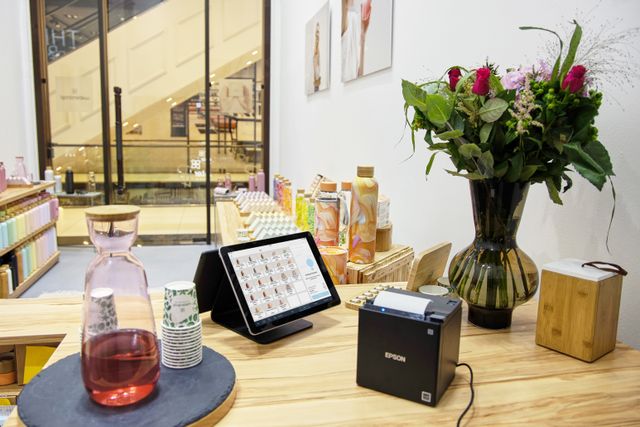
An agent optimized only for speed and price could remove some of that discovery. It might repeatedly purchase familiar items without exposing the customer to anything new.
Premium stores will therefore need to balance convenience with exploration. Agentic systems might handle routine replenishment while leaving discovery-oriented shopping more open. They could also introduce new options when customers specifically ask for them rather than constantly replacing browsing with automated decisions.
The future beauty journey may involve automation for routine purchases and richer human experiences when customers want inspiration.
Human Assistance Could Become More Valuable
As AI handles more routine research, human service does not necessarily become less important. Its purpose may simply change.
Store employees may spend less time answering basic availability or product-information questions that automated systems can handle. Human conversations can then focus on areas involving personal preference, sensory experience, unusual questions, or uncertainty.
Beauty products can involve qualities that are difficult to capture through data alone. Texture, appearance, fragrance, application experience, and individual preferences can matter considerably.
Premium retail has traditionally differentiated itself through service as well as merchandise. In an agentic environment, genuinely useful human assistance may become an even stronger point of distinction.
Agentic Shopping Needs Clear Spending and Approval Limits
The more actions an AI agent can perform, the more important customer control becomes. Recommending a product creates relatively little financial risk. Purchasing several products automatically is different.
Customers should be able to define what an agent can do without approval. A shopper might allow automatic replenishment only for previously purchased items below a certain spending limit while requiring confirmation for anything new.
Retailers also need safeguards against duplicate, accidental, or unauthorized orders. Clear confirmations and accessible order histories can help customers understand what their agents have done.
The aim should be delegated convenience rather than uncontrolled automation. Customers should always be able to understand, change, or stop the purchasing authority they have granted.
Privacy Becomes Even More Important
Beauty personalization can involve detailed customer information. Agentic commerce could increase the amount of data moving between shoppers, agents, and retailers.
Previous purchases, preferences, budgets, delivery details, loyalty information, and other records may all be useful for an agent trying to make purchasing decisions. That usefulness also creates privacy responsibilities.
Retailers should collect and use only appropriate information, protect customer data, and provide meaningful controls over personalization and automated activity.
Special care is needed when information could suggest health-related concerns or other sensitive characteristics. A beauty retailer should not turn shopping data into unsupported assumptions about a customer’s health or personal circumstances.
Trust will be essential if shoppers are expected to allow agents to participate more deeply in purchasing decisions.
Stores Will Need to Serve Both Humans and Agents
Premium beauty retailers have traditionally designed experiences around people: appealing displays, clear merchandising, helpful staff, attractive websites, and engaging content.
Agentic commerce adds another audience. AI systems need dependable information that can be searched, compared, and acted upon.
Stores may therefore need to make product information more consistent and machine-readable while maintaining an engaging experience for human shoppers. Inventory, prices, delivery conditions, return information, and product attributes should be accurate across customer touchpoints.
This is not simply a technical issue. If an agent receives incomplete or contradictory information, it may exclude an otherwise suitable retailer from consideration.
Being easy for AI agents to understand could eventually become another form of retail accessibility.
Agentic Commerce Changes What Loyalty Could Mean
Traditional loyalty often means convincing customers to return to a store when they are ready to shop. Agentic commerce could make that relationship less direct.
A customer’s AI agent may repeatedly evaluate competing options before making a recommendation. Retailers may therefore find it harder to rely on habit alone.
To remain preferred, premium stores will need to provide genuine reasons for customers to instruct their agents to prioritize them. Reliable service, accurate information, dependable fulfillment, useful benefits, strong customer support, and trust could become increasingly important.
This may ultimately create a healthier definition of loyalty. Instead of relying primarily on repeated promotions, retailers would need to remain consistently valuable enough to stay within the customer’s preferred set of sellers.
Moving From Personalized Shopping to Assisted Commerce
Personalization helped beauty retailers decide what to show customers. Agentic commerce could help customers decide what should happen next.
AI agents may eventually research beauty options, compare retailers, monitor availability, prepare replenishment orders, apply loyalty benefits, and complete certain purchases within customer-defined limits. That could make routine beauty shopping considerably easier.
Yet premium beauty retail is not valuable only because products can be purchased efficiently. Discovery, personal preference, human guidance, trust, and the enjoyment of shopping still matter.
The strongest opportunity is therefore not to automate the entire customer relationship. It is to let agents handle repetitive purchasing work while retailers continue providing the information, service, expertise, and experiences that deserve customer loyalty.
Moving beyond personalization does not mean removing the shopper from beauty retail. It means giving shoppers more control over which parts of shopping they want to handle themselves and which parts they are comfortable delegating.
Leave a Reply