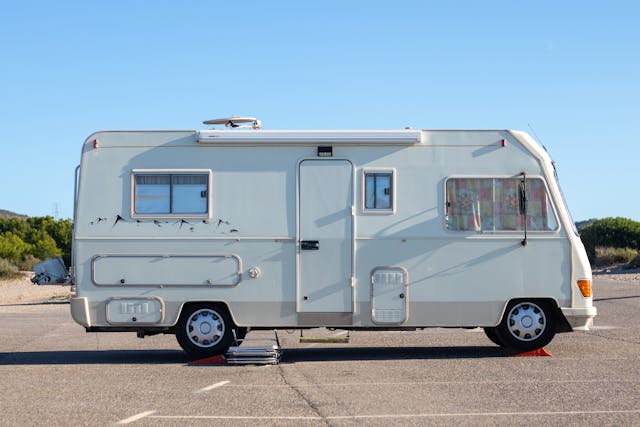
RV storage and repair is a business built on long-term relationships, recurring needs, and time-sensitive service moments. Customers are not just storing a vehicle. They are managing an asset that requires upkeep, scheduling, and trust. Yet the experience around booking, servicing, and staying connected is often fragmented. Calls are missed, maintenance is delayed, and follow-ups depend heavily on manual effort.
This is where Agentic Commerce introduces a smarter model. Instead of customers manually tracking needs and coordinating services, intelligent systems begin to manage those interactions. They monitor usage, anticipate maintenance, and trigger actions at the right time. For RV storage and repair businesses, this is not just an operational improvement. It is a shift toward a more proactive, seamless customer experience.
Booking Becomes Automatic Instead of Reactive
In most RV storage and repair setups, booking is reactive. A customer realizes they need service, reaches out, waits for availability, and then confirms a time. This process creates delays and often leads to missed opportunities, especially when customers postpone or forget.
Agentic commerce changes this by turning booking into an automated process. Systems can track service intervals, seasonal usage patterns, and even environmental factors to determine when maintenance is likely needed. Instead of waiting for the customer to act, the system initiates the booking process.
For example, if a vehicle has been in storage for an extended period, the system can prompt a check before the next usage cycle. If routine maintenance is due, it can suggest available slots and confirm with minimal input. This reduces friction and ensures that services happen when they should.
Retail has already moved toward automated replenishment and scheduling. RV services benefit even more because timing directly impacts performance and reliability.
Maintenance Becomes Predictive, Not Delayed
RV maintenance is often postponed until a problem becomes noticeable. This reactive approach increases costs and creates stress for customers. It also leads to uneven workloads for service providers.
Agentic systems shift maintenance toward a predictive model. By analyzing usage data, service history, and environmental conditions, they can identify when attention is needed before issues escalate.
This creates a smoother experience for both the customer and the business. Customers avoid unexpected problems, and providers can plan workloads more efficiently. Instead of dealing with urgent repairs, they handle scheduled maintenance that keeps vehicles in better condition.
Predictive maintenance also strengthens trust. Customers feel that the service is looking out for their interests rather than simply responding to issues. This proactive approach becomes a key differentiator.
Storage and Service Become a Connected Experience
Traditionally, storage and repair are treated as separate interactions. A customer stores their RV and only engages with repair services when necessary. This creates gaps in communication and missed opportunities for service.
Agentic commerce connects these two aspects into a single, continuous experience. The system understands what is happening during storage and uses that information to inform service decisions.
For example, if an RV remains unused for a long period, the system can recommend checks before it is taken out again. If weather conditions suggest potential impact, it can trigger inspections or maintenance.
This integration creates a more holistic service model. Customers no longer need to manage storage and maintenance separately. The system ensures that both are aligned.
Communication Becomes Timely and Relevant
One of the biggest challenges in RV services is maintaining consistent communication. Customers may not hear from the business unless they reach out, which can make the relationship feel inactive.
Agentic commerce improves this by delivering communication at the right moments. Instead of generic updates, messages are triggered by specific conditions or needs.
For example, a reminder before peak travel season, a notification about upcoming maintenance, or a prompt to prepare the vehicle for use. These messages feel relevant because they are tied to actual needs.
Retail has refined this approach by focusing on timing and relevance rather than volume. RV businesses can apply the same principle to keep customers engaged without overwhelming them.
Retention Improves Through Reduced Effort
Customer retention in RV storage and repair depends heavily on ease. If managing storage and maintenance feels complicated, customers may look for alternatives.
Agentic commerce reduces this effort significantly. Customers do not need to remember service schedules, track maintenance, or coordinate bookings repeatedly. The system handles these tasks, allowing them to focus on using their vehicle.

This ease becomes part of the value. Customers stay not just because of the service quality, but because the experience is simpler. Retail has shown that reducing effort increases loyalty. RV services can achieve the same outcome by making interactions more seamless.
Service Providers Gain Better Workflow Control
From the business perspective, agentic commerce creates more predictable workflows. Instead of dealing with irregular demand and last-minute requests, providers can manage a steady flow of scheduled work.
This improves efficiency and resource allocation. Staff can be assigned more effectively, and service quality can be maintained consistently. It also reduces the stress associated with handling urgent, unplanned repairs.
A more structured workflow leads to better outcomes for both the business and the customer. Services are delivered on time, and expectations are met more reliably.
Personalization Becomes Practical at Scale
RV owners have different usage patterns, preferences, and service needs. Providing personalized service manually can be challenging, especially as the business grows.
Agentic systems make personalization more practical. They track individual customer behavior and adjust recommendations accordingly. One customer may require more frequent maintenance due to heavy usage, while another may need seasonal checks.
This level of personalization improves the experience without adding complexity. Customers feel that the service is tailored to their needs, even as the business scales.
Retail personalization often focuses on recommendations. In RV services, personalization directly affects performance and reliability, making it even more valuable.
The Experience Becomes Continuous, Not Transactional
One of the most significant changes agentic commerce brings is the shift from transactional interactions to continuous experiences. Instead of isolated bookings and repairs, the relationship becomes ongoing.
Customers are supported throughout the lifecycle of their RV. From storage to maintenance to preparation for use, every stage is connected. This creates a stronger relationship and increases the likelihood of long-term engagement.
A continuous experience also reinforces trust. Customers feel that the business is consistently looking after their needs, not just responding when asked.
Data Becomes a Strategic Advantage
Every interaction in RV storage and repair generates data. Service history, usage patterns, and maintenance outcomes all contribute to a deeper understanding of the customer and the vehicle.
Agentic commerce turns this data into a strategic asset. It uses insights to improve decision-making, optimize scheduling, and enhance the overall experience.
Over time, this creates a compounding effect. The system becomes more accurate, more efficient, and more aligned with customer needs. Businesses that leverage this data effectively gain a significant advantage.
The Competitive Edge Will Come from Experience, Not Just Service
As the RV storage and repair market evolves, the difference between businesses will not only be in the services they offer. It will be in how those services are delivered.
Agentic commerce enables a smoother, more proactive, and more personalized experience. Customers do not need to manage every detail. The system ensures that everything happens at the right time.
Businesses that adopt this approach can position themselves as easier to work with and more reliable. This becomes a powerful differentiator in a competitive market.
The Future of RV Services Is Proactive and Effortless
RV ownership should feel enjoyable, not burdensome. Agentic commerce supports this by removing the friction associated with storage and maintenance.
By automating booking, predicting maintenance, and maintaining continuous communication, it creates a more effortless experience. Customers stay engaged, vehicles stay in better condition, and businesses operate more efficiently.
This is not just a technological shift. It is a shift in how services are experienced. And for RV storage and repair, it represents a smarter way to serve customers from the first booking to long-term retention.
Leave a Reply