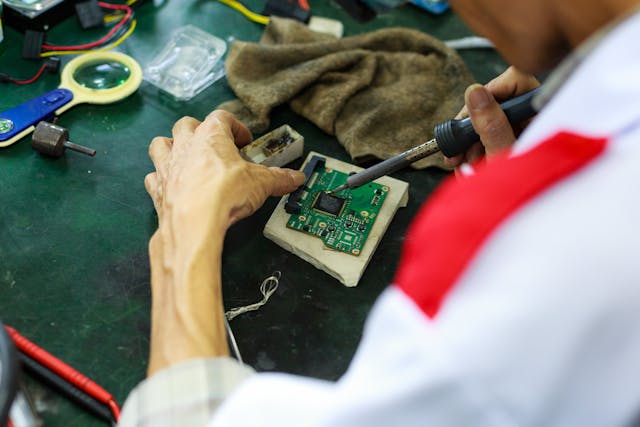
Technology has become deeply integrated into daily life. Smartphones, tablets, laptops, gaming systems, smartwatches, and other connected devices are essential tools for communication, work, education, entertainment, and business operations. When these devices malfunction, customers expect fast, convenient, and reliable repair services that minimize disruption and restore functionality as quickly as possible.
However, the device repair process can often be frustrating for customers. Long wait times, unclear pricing, inconsistent communication, delayed updates, and uncertainty about repair status can create a poor experience even when the technical repair itself is completed successfully. As customer expectations continue to rise, repair businesses are looking for new ways to improve service quality while operating more efficiently.
One emerging concept that could significantly reshape the industry is agentic commerce. Unlike traditional automation systems that simply execute predefined tasks, agentic commerce uses intelligent digital agents capable of understanding goals, coordinating actions, making recommendations, and managing workflows with minimal human intervention. These systems can actively support both customers and service providers throughout the entire service journey.
For tech device repair businesses, agentic commerce has the potential to transform everything from appointment scheduling and diagnostics to repair updates and customer communication. By creating more personalized, responsive, and efficient experiences, intelligent agents could help repair providers meet growing customer demands while improving operational performance.
Understanding Agentic Commerce in a Service Environment
Agentic commerce represents a shift from passive digital tools to active digital assistants that help coordinate and execute business processes. Traditional automation typically follows fixed rules and requires significant human oversight. Agentic systems, on the other hand, can analyze situations, adapt to changing circumstances, and take appropriate actions to achieve specific objectives.
In a tech repair setting, intelligent agents can function as digital coordinators that guide customers through the repair process. Instead of requiring customers to repeatedly contact a repair center for updates or information, these systems can proactively provide assistance and communicate relevant details.
For repair businesses, agentic commerce creates opportunities to streamline administrative tasks, reduce response times, and improve service consistency. Employees spend less time handling repetitive inquiries and more time focusing on technical repairs and customer support.
The result is a smoother experience for both customers and service teams, with fewer delays and greater transparency throughout the repair process.
Simplifying the Initial Repair Request
The customer experience begins the moment someone realizes their device requires repair. At this stage, many customers have questions about symptoms, repair options, turnaround times, costs, and appointment availability.
Traditional intake processes often involve phone calls, emails, online forms, or in-person consultations. Gathering information manually can be time-consuming for both customers and service providers.
Agentic commerce can streamline this process by guiding customers through intelligent digital conversations. An agent can collect information about the device type, reported issue, symptoms, warranty status, and preferred service method. Instead of simply recording data, the system can ask follow-up questions to clarify details and identify potential repair needs.
Customers receive immediate assistance while repair providers gain more complete and accurate information before the device even arrives for service. This reduces delays and helps create a more efficient intake experience.
By automating information gathering and preliminary issue assessment, businesses can begin addressing customer needs more quickly and effectively.
Creating Faster and More Accurate Appointment Scheduling
Scheduling is often one of the first friction points in the repair journey. Customers want convenient appointment times, while repair providers must balance technician availability, workload capacity, and repair complexity.
Agentic commerce can improve scheduling by analyzing multiple factors simultaneously. Intelligent systems can evaluate technician schedules, repair priorities, service durations, and customer preferences to recommend optimal appointment options.
If scheduling conflicts arise, the system can automatically propose alternatives and coordinate changes without requiring extensive staff involvement. Customers benefit from greater flexibility and faster scheduling decisions.
In addition, intelligent agents can send reminders, confirm appointments, and collect additional information before the visit. This helps reduce missed appointments and ensures technicians have the necessary details to begin repairs promptly.
The scheduling process becomes more efficient while creating a more convenient experience for customers.
Enhancing Device Diagnostics and Service Recommendations
One of the biggest uncertainties in device repair involves diagnosing the actual cause of a problem. Customers may describe symptoms that can be linked to multiple potential issues, making accurate diagnosis challenging during the initial consultation.
Agentic commerce can assist by gathering detailed information and comparing symptoms against historical repair data. Intelligent systems can identify likely causes, suggest preliminary diagnostic paths, and help technicians prioritize investigations.
While final diagnoses remain the responsibility of trained professionals, these tools can accelerate the process and improve efficiency. Customers benefit from faster assessments and clearer explanations regarding potential repair requirements.
The system can also assist with service recommendations by presenting repair options based on device condition, usage patterns, and customer priorities. This creates a more personalized and informative customer experience while helping customers make better-informed decisions.
Delivering Proactive Communication Throughout the Repair Process
One of the most common complaints in the repair industry involves a lack of communication. Customers often feel uncertain about repair status, expected completion dates, or potential delays.
Many service centers spend considerable time responding to routine status inquiries. These interactions consume resources while often frustrating customers who simply want timely updates.

Agentic commerce can transform this aspect of customer service by providing proactive communication throughout the repair lifecycle. Intelligent agents can automatically notify customers when devices are received, diagnosed, approved for repair, undergoing service, or ready for pickup.
If delays occur, customers can receive immediate explanations and revised timelines. Rather than waiting for customers to request information, the system keeps them informed automatically.
This transparency helps build trust and reduces anxiety. Customers feel more confident because they understand exactly where their repair stands and what to expect next.
Personalizing the Customer Experience
Consumers increasingly expect personalized experiences across every industry. Device repair services are no exception. Customers appreciate businesses that understand their needs and tailor interactions accordingly.
Agentic commerce can support personalization by maintaining detailed customer histories and preferences. Intelligent systems can recognize returning customers, recall previous repairs, and recommend solutions based on past experiences.
For example, a customer who has repaired multiple devices over time may receive customized maintenance recommendations, service reminders, or priority scheduling options. Business users may receive different communication workflows than individual consumers due to differing service requirements.
Personalization creates a stronger customer relationship and demonstrates a deeper understanding of customer needs. It also helps businesses deliver more relevant and valuable interactions throughout the service journey.
Improving Operational Efficiency Behind the Scenes
While customer-facing improvements are important, many benefits of agentic commerce occur behind the scenes. Repair businesses often manage complex workflows involving diagnostics, parts ordering, technician assignments, quality control, and customer communication.
Intelligent agents can help coordinate these activities more effectively. When a repair is approved, the system can automatically initiate parts procurement, update schedules, and notify relevant personnel. If inventory shortages occur, alternative actions can be recommended immediately.
By reducing manual coordination requirements, businesses can operate more efficiently and minimize delays. Faster internal processes ultimately contribute to a better customer experience because repairs move through the system more smoothly.
Operational improvements also allow businesses to scale more effectively as demand grows.
Supporting Faster Resolution Times
Speed is one of the most important factors influencing customer satisfaction in device repair services. Customers often rely heavily on their devices and want repairs completed as quickly as possible.
Agentic commerce supports faster resolution times by reducing delays throughout the repair process. Intake activities, scheduling, communication, diagnostics support, workflow coordination, and customer approvals can all occur more efficiently.
When intelligent systems continuously monitor project status and identify bottlenecks, problems can be addressed before they create significant delays. This proactive approach helps maintain momentum and keep repairs on schedule.
Faster turnaround times improve customer satisfaction while allowing businesses to increase throughput and serve more customers without sacrificing service quality.
Building Long-Term Customer Loyalty
Customer loyalty is particularly valuable in the device repair industry because satisfied customers often return for future service needs and provide referrals. Positive experiences can create lasting relationships that generate repeat business over many years.
Agentic commerce helps strengthen loyalty by making interactions easier, more transparent, and more personalized. Customers remember businesses that communicate effectively, respect their time, and provide consistent service experiences.
Intelligent agents can also support post-repair engagement by providing maintenance guidance, warranty reminders, device care recommendations, and follow-up communications. These ongoing interactions help keep the business connected to customers long after a repair has been completed.
As customer expectations continue to evolve, loyalty will increasingly depend on the overall experience rather than technical expertise alone.
Preparing for the Future of Tech Repair Services
The device repair industry is facing growing pressure to deliver faster service, greater transparency, and more personalized customer experiences. While technical repair capabilities remain essential, customer expectations now extend far beyond the repair itself.
Agentic commerce offers a powerful framework for meeting these demands. By combining intelligent coordination, proactive communication, workflow automation, and personalized engagement, repair businesses can create experiences that are more responsive and customer-focused.
Importantly, agentic commerce is not about replacing technicians or customer service teams. Instead, it enhances their capabilities by handling routine coordination tasks and enabling staff to focus on areas where human expertise provides the greatest value.
As technology continues to evolve, customers will increasingly expect service experiences that are convenient, efficient, and personalized. Tech device repair providers that embrace intelligent operational models may be better positioned to meet these expectations and differentiate themselves in a competitive market.
The future of device repair is likely to be defined not only by how effectively businesses fix technology, but also by how effectively they support customers throughout the entire service journey. Agentic commerce has the potential to play a major role in shaping that future.
Leave a Reply