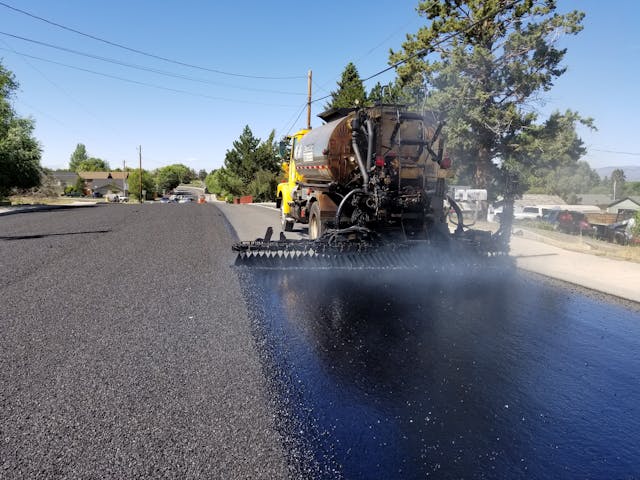
The asphalt paving and maintenance industry has traditionally relied on manual coordination. Property owners or facility managers typically call a contractor, request a quote, wait for an inspection, and then move through several steps before work is scheduled. While this system has worked for decades, it often involves delays, communication gaps, and administrative inefficiencies that slow down both contractors and customers.
Agentic commerce is beginning to reshape how these processes operate. In simple terms, agentic systems use autonomous digital agents that can analyze information, make decisions, and perform tasks on behalf of users. Instead of requiring multiple manual interactions, these intelligent systems can guide customers through quoting, scheduling, and service coordination automatically. For industries like asphalt paving and maintenance—where time, logistics, and property conditions all influence service decisions—this shift has the potential to streamline operations significantly.
The Traditional Quoting Process in Asphalt Services
Obtaining a quote for asphalt paving or maintenance has historically involved several steps. Property owners usually start by contacting contractors and describing the project, whether it involves driveway paving, parking lot resurfacing, crack sealing, or sealcoating. Contractors may then schedule an on-site visit to assess the condition of the pavement and determine the scope of work.
While inspections remain essential for accurate pricing, the communication process surrounding them often creates delays. Contractors must coordinate visits, review measurements, calculate materials, and then prepare a formal estimate. For customers managing busy commercial properties or residential improvements, waiting for multiple quotes can slow down decision-making.
Administrative work also consumes significant time for contractors. Preparing estimates, responding to inquiries, and coordinating follow-ups require resources that could otherwise be spent on completing projects. This traditional process is where agentic commerce begins to introduce meaningful improvements.
How Agentic Commerce Streamlines the Quoting Process
Agentic systems can dramatically simplify how asphalt service quotes are generated and delivered. Instead of relying entirely on manual requests, customers can interact with intelligent digital agents that guide them through the quoting process in real time.
These systems may begin by gathering project details such as surface size, current pavement condition, and the type of service required. Through guided questions, the agent can collect enough information to generate preliminary estimates or schedule site inspections automatically. For property managers overseeing multiple facilities, this process reduces the time required to initiate maintenance requests.
Agentic systems can also analyze historical pricing data, material costs, and regional service trends to produce faster and more consistent estimates. Contractors benefit from standardized workflows that reduce administrative overhead while still allowing professionals to review and finalize project details.
Instead of waiting days for initial responses, customers receive quicker feedback and clearer next steps.
Intelligent Scheduling and Workflow Coordination
Once a project moves beyond the quote stage, scheduling becomes the next major challenge. Asphalt paving and maintenance work depends on several factors including weather conditions, crew availability, equipment logistics, and project size. Coordinating these variables manually often leads to scheduling conflicts or inefficient use of resources.
Agentic commerce introduces automation into this stage as well. Digital agents can analyze contractor availability, project timelines, and environmental conditions to recommend optimal scheduling windows. When customers confirm a project, the system can automatically reserve time slots and allocate necessary resources.
For contractors managing multiple jobs simultaneously, this type of automated coordination reduces scheduling errors and improves overall efficiency. Crews receive clearer timelines, and customers gain visibility into when work will take place.
Intelligent scheduling also helps contractors respond more quickly to new opportunities. When cancellations or weather delays occur, the system can automatically adjust schedules and notify customers about updated availability.
Improving Customer Experience in Service-Based Industries
One of the most noticeable benefits of agentic commerce is the improvement in customer experience. Many service industries struggle with communication gaps during quoting and scheduling processes. Customers often feel uncertain about timelines, pricing structures, or next steps.

Agentic systems reduce this uncertainty by providing continuous interaction throughout the service journey. Customers can ask questions, review project details, or update scheduling preferences without waiting for manual responses. The digital agent acts as a consistent communication channel between the customer and the contractor.
This approach does not eliminate the role of human professionals. Contractors still oversee project execution, inspections, and quality control. Instead, agentic systems handle repetitive administrative tasks so professionals can focus on delivering high-quality work.
The result is a more responsive and transparent service experience.
Data-Driven Maintenance Planning
Beyond individual paving projects, agentic commerce also supports long-term pavement maintenance planning. Many property owners struggle to track when maintenance tasks such as sealcoating or crack repair should occur. Delaying these services can lead to more expensive repairs later.
Agentic systems can monitor maintenance timelines and pavement conditions through stored property data. Based on historical patterns and environmental factors, the system can recommend preventive maintenance schedules that extend the life of asphalt surfaces.
For commercial property managers overseeing parking lots or large facilities, this proactive approach helps reduce unexpected repair costs. Instead of reacting to pavement damage after it appears, maintenance can be planned strategically.
Contractors also benefit from more predictable service pipelines, allowing them to schedule recurring work more efficiently.
Supporting Contractors Through Operational Efficiency
Agentic commerce does not only benefit customers; it also provides operational advantages for contractors. Asphalt paving companies often manage multiple projects at once while coordinating crews, materials, and equipment.
Administrative tasks such as responding to quote requests, scheduling inspections, and confirming appointments can consume valuable time. By automating many of these processes, agentic systems allow contractors to focus on project execution and quality control.
Data gathered through agentic platforms also helps contractors analyze service trends. Understanding which types of projects are most common, which seasons generate the highest demand, and how scheduling patterns affect productivity enables better long-term planning.
These insights support more efficient resource allocation and improved business growth strategies.
The Future of Asphalt Services in an Agentic Ecosystem
As digital technology continues to evolve, agentic commerce is likely to become more integrated into service industries. Asphalt paving and maintenance services are particularly well suited to benefit because they involve structured workflows that can be optimized through intelligent automation.
Future systems may integrate property data, pavement condition analysis, and predictive maintenance insights into unified platforms. Property owners could receive automated notifications when surfaces require inspection or repair, while contractors could coordinate crews and materials through centralized scheduling systems.
Despite these technological advancements, the human element will remain essential. Skilled paving professionals provide the expertise needed to evaluate pavement conditions, perform high-quality installations, and ensure long-lasting results.
Agentic commerce simply enhances the coordination surrounding that expertise. By streamlining quoting, scheduling, and maintenance planning, these intelligent systems allow asphalt paving services to operate more efficiently while delivering a smoother experience for customers.
In the years ahead, the combination of human craftsmanship and intelligent digital coordination may define the next generation of service-based industries.
Leave a Reply