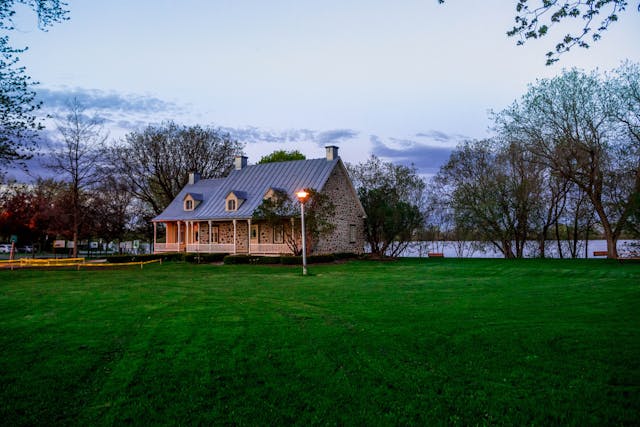
Outdoor lighting has evolved from a simple functional addition to a key element of modern home design, safety, and energy efficiency. Homeowners today want lighting that enhances curb appeal, improves security, and aligns with smart home ecosystems. However, choosing the right outdoor lighting setup can be overwhelming. It involves decisions about brightness, placement, energy consumption, durability, and aesthetics. Agentic commerce introduces a new approach where AI-powered agents guide, recommend, and even execute purchasing decisions based on individual needs.
Instead of manually researching options or relying on generic suggestions, homeowners can use intelligent systems that understand their property layout, preferences, and goals. These agents analyze multiple variables in real time and deliver tailored solutions that simplify the buying process. As a result, outdoor lighting becomes less about guesswork and more about precision and personalization.
Understanding Agentic Commerce in Outdoor Lighting
Agentic commerce refers to AI systems that act on behalf of users to make decisions, manage purchases, and optimize outcomes. In outdoor lighting, this means an AI agent can evaluate a homeowner’s property, identify lighting needs, and recommend solutions that align with both functional and aesthetic goals.
Unlike traditional e-commerce, where users browse and compare products manually, agentic systems handle much of the decision-making process. They consider factors such as yard size, landscaping features, existing infrastructure, and local climate conditions. By integrating these inputs, the system can create a comprehensive lighting plan tailored to the specific environment.
This approach reduces complexity and ensures that each decision contributes to a cohesive design. It also allows homeowners to focus on their vision rather than getting lost in technical details.
Personalized Lighting Design Based on Real Data
Mapping Outdoor Spaces with Precision
One of the most significant advantages of agentic commerce is its ability to analyze physical spaces accurately. Using data from smart devices, images, or property inputs, AI agents can map outdoor areas and identify key zones that require lighting. These might include pathways, entrances, gardens, and recreational spaces.
By understanding the layout of the property, the system can recommend optimal placement for lighting fixtures. This ensures even illumination, enhances safety, and highlights architectural or landscaping features. The result is a design that feels intentional and well-balanced.
Aligning Lighting with Lifestyle and Preferences
Outdoor lighting is not just about visibility; it also reflects personal style and usage patterns. Agentic systems take these factors into account by learning user preferences over time. Whether a homeowner prioritizes security, ambiance, or energy efficiency, the AI adapts its recommendations accordingly.
For example, a household that frequently entertains guests may receive suggestions focused on creating inviting outdoor spaces. On the other hand, a homeowner concerned with security may see recommendations that emphasize coverage and motion detection. This level of personalization ensures that the lighting setup aligns with how the space is actually used.
Simplifying Product Selection and Purchasing Decisions
Intelligent Filtering and Comparison
Choosing outdoor lighting often involves comparing numerous options with varying specifications. Agentic commerce simplifies this process by filtering choices based on relevance. Instead of presenting an overwhelming list of options, the AI agent narrows down selections to those that meet the user’s specific criteria.
This includes evaluating factors such as brightness levels, energy consumption, weather resistance, and compatibility with existing systems. By presenting only the most suitable options, the system reduces decision fatigue and speeds up the purchasing process.
Automated Procurement and Budget Optimization
Beyond recommendations, AI agents can handle the purchasing process itself. They can compare prices, identify cost-effective options, and complete transactions on behalf of the user. This ensures that homeowners receive value without having to manually search for deals.

Budget management is another key benefit. The system can allocate resources efficiently, balancing quality and cost to achieve the desired outcome. If a homeowner sets a budget, the AI ensures that recommendations stay within that range while still meeting performance expectations.
Integrating Smart Technology for Enhanced Functionality
Outdoor lighting is increasingly connected to smart home systems, allowing for automation and remote control. Agentic commerce enhances this integration by ensuring compatibility between lighting solutions and existing technologies.
AI agents can recommend systems that work seamlessly with smart controls, enabling features such as scheduling, motion activation, and energy monitoring. This creates a more convenient and efficient experience for homeowners, who can manage their lighting through centralized platforms.
The ability to automate lighting also contributes to energy savings. By adjusting brightness and usage based on real-time conditions, smart systems reduce unnecessary consumption. Agentic commerce ensures that these capabilities are incorporated into the overall design from the start.
Improving Installation and Project Coordination
Selecting the right lighting is only part of the process; installation is equally important. Agentic commerce can extend its capabilities to coordinate installation services, ensuring that projects are executed efficiently.
AI agents can identify qualified professionals, schedule installations, and manage timelines. This eliminates the need for homeowners to handle multiple aspects of the project manually. By overseeing the entire process, the system ensures that the final outcome aligns with the initial plan.
For more complex projects, such as large yards or commercial properties, this coordination becomes even more valuable. It ensures consistency, reduces delays, and maintains quality standards throughout the installation process.
Enhancing Long-Term Maintenance and Upgrades
Outdoor lighting systems require ongoing maintenance to remain effective. Agentic commerce supports this by monitoring performance and providing recommendations for upkeep. AI agents can detect issues such as reduced brightness or component wear and suggest timely interventions.
This proactive approach prevents small problems from becoming larger issues. It also extends the lifespan of the lighting system, ensuring that homeowners get the most value from their investment.
In addition, the system can recommend upgrades as new technologies become available. This keeps the lighting setup current and aligned with evolving standards. By managing both maintenance and upgrades, agentic commerce creates a continuous improvement cycle.
Addressing Challenges in AI-Driven Outdoor Lighting
While the benefits are significant, there are challenges to consider. Trust is a major factor, as homeowners must feel confident in the system’s recommendations and decisions. Transparency in how choices are made is essential for building this trust.
Data accuracy is another important consideration. AI agents rely on accurate inputs to deliver effective solutions. Incomplete or incorrect data can lead to suboptimal outcomes. Ensuring reliable data collection and processing is therefore critical.
There is also the need to balance automation with personal input. While AI can handle many aspects of decision-making, homeowners may still want to retain control over certain choices. Agentic commerce should provide flexibility, allowing users to customize and adjust recommendations as needed.
The Future of Outdoor Lighting with Agentic Commerce
As agentic commerce continues to evolve, its impact on outdoor lighting will become more pronounced. Future systems may incorporate advanced technologies such as real-time environmental analysis and predictive modeling. This could enable AI agents to anticipate lighting needs based on weather patterns, seasonal changes, and usage trends.
The integration of augmented reality may also enhance the design process, allowing homeowners to visualize lighting setups before making decisions. This would further reduce uncertainty and improve satisfaction with the final outcome.
Ultimately, agentic commerce represents a shift toward smarter, more intuitive home improvement experiences. By combining data-driven insights with personalized recommendations, it transforms the way homeowners approach outdoor lighting. The result is a process that is not only more efficient but also more aligned with individual needs and preferences, creating outdoor spaces that are both functional and visually appealing.
Leave a Reply